
5 Steps How to Prep Your Home for NH Mud Season and Prevent Rot (Easy Guide for Nottingham Homeowners)
- TJ Talbot
- Apr 15
- 5 min read

Mud season in Nottingham is not just a nuisance for your boots. It is a silent killer for your home’s wood structures. If you do not act now, the constant moisture will find its way into your sills and deck joists. Rot moves fast when the ground stays saturated.
The transition from a frozen New Hampshire winter to a soggy spring creates the perfect environment for wood decay. Snow piles melt against your siding. Rain showers pour into clogged gutters. The ground turns into a sponge that holds water against your foundation.
In towns like Northwood, Barrington, and Lee, the local landscape often features heavy soils that do not drain quickly. This means the water stays put. It stays against your home. It creates wood rot that can cost thousands of dollars to repair if left unchecked.
You have a narrow window of opportunity to protect your investment. The mud is here now. The rot starts today. If you ignore these signs, you are choosing expensive structural repairs later this summer.
The Real Cost of Mud Season Neglect
New Hampshire mud season usually runs from mid-March to mid-May. This is the period when your home is most vulnerable. Moisture is the primary enemy of any wood-framed house. When wood stays wet for extended periods, fungi begin to eat the fibers.
Loose shutters fall. Porch steps become soft. Siding begins to buckle. These are not just cosmetic issues. These are signs that your home is losing the battle against the elements. A small patch of rot on a window sill can quickly spread to the wall studs behind it.
T-Build Handyman Services sees this every year in Epsom and Strafford. Homeowners wait until June to look at their exteriors. By then, the damage is done. The wood is soft. The paint is peeling. The bill for carpentry work is much higher than a simple maintenance check would have been.
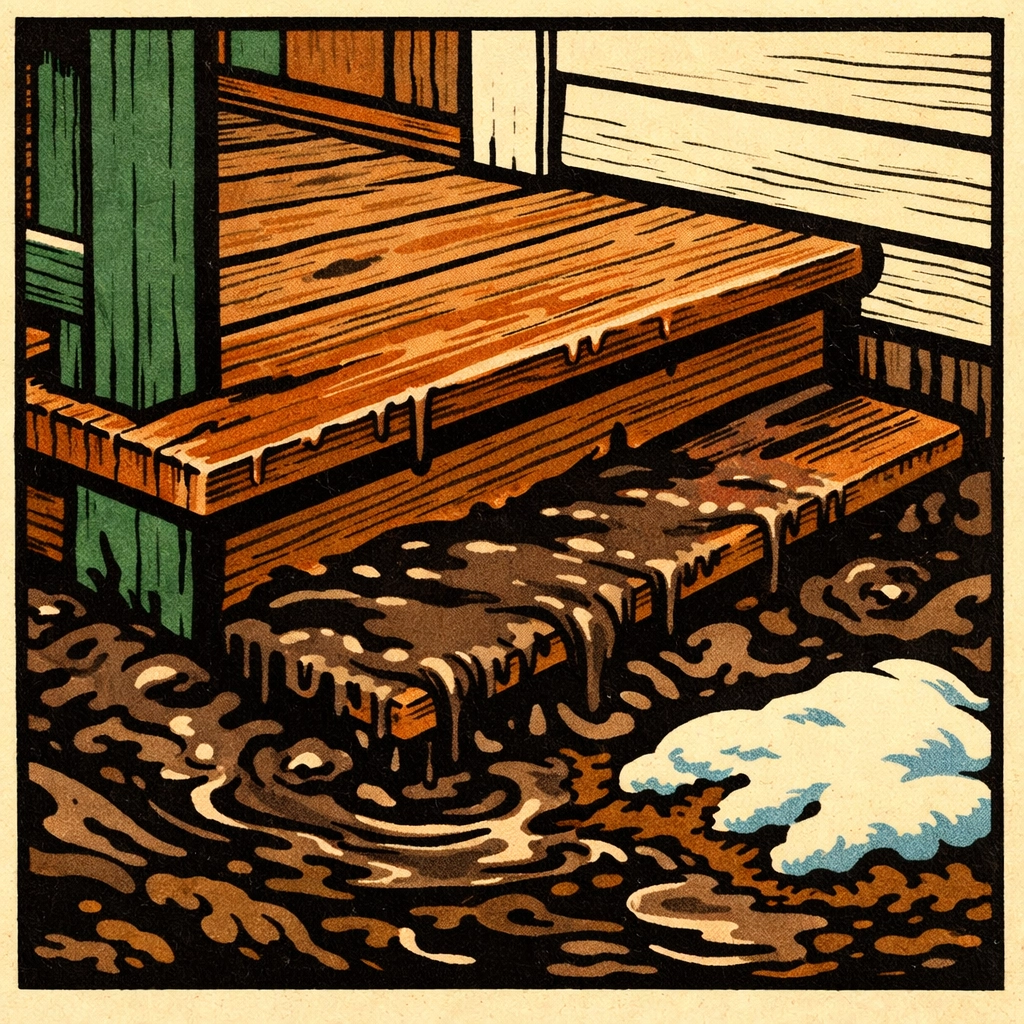
Step 1: Divert the Deluge (Gutter and Drainage Control)
Water must move away from your house. If your gutters are full of pine needles from the last Northwood windstorm, water will overflow. This overflow lands right next to your foundation. It saturates the soil. It puts immense pressure on your basement walls.
You must ensure your downspouts are clear and extended. A downspout that dumps water two feet from the house is useless during mud season. The water simply drains back toward the foundation. You need to push that water at least six to ten feet away.
Check for proper drainage strategies to keep your basement dry. If the soil around your foundation has settled, it may be sloping toward the house. This creates a moat of mud that sits against your siding.
Clear all debris from gutter channels
Flush downspouts with a garden hose
Attach extension pipes to all outlets
Grade soil away from the foundation
Remove wet leaves from the perimeter
Step 2: Inspect the "Splash Zone"
The bottom two feet of your home takes the most abuse during a Nottingham spring. Rain hits the ground and splashes mud and water back up onto your siding. This area stays damp longer than any other part of the wall.
Walk around your home and look for dark spots on the siding. Touch the wood near the ground. If it feels soft or "punky," rot has already started. This is common in homes across Barrington and Pittsfield where landscaping is tight against the house.
If you have wood siding, look for peeling paint or cracks. These are entry points for moisture. Once water gets behind the paint, it cannot evaporate. It sits there and cooks the wood from the inside out.
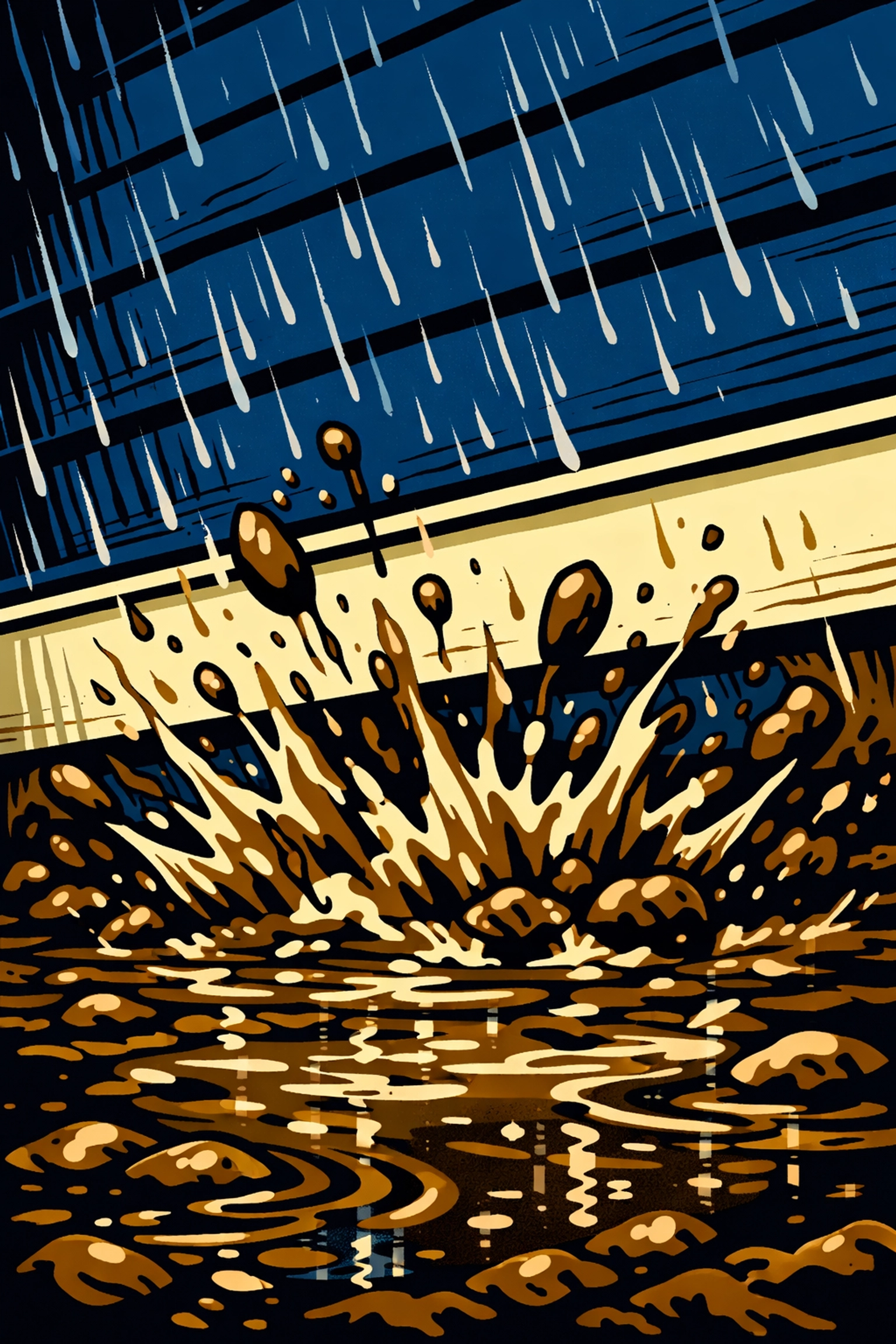
Step 3: Assess Your Deck for Structural Rot
Your deck is a horizontal surface that catches every drop of rain. During mud season, the wood never truly dries out. If your deck was not sealed last fall, it is soaking up water like a sponge right now.
Check the "ledger board" where the deck meets the house. This is a common failure point. If the flashing is missing or damaged, water will rot the rim joist of your home. This is a dangerous structural issue that can lead to deck collapse.
Look for essential deck safety signs to ensure your family is safe during the first backyard BBQ. Loose railings and soft floorboards are more than just ugly. They are liabilities.
Probe joists with a screwdriver
Tighten loose lag bolts and screws
Clean organic debris between deck boards
Check post bases for standing water
Inspect stairs for stability and rot
Step 4: Seal the Envelope (Windows and Doors)
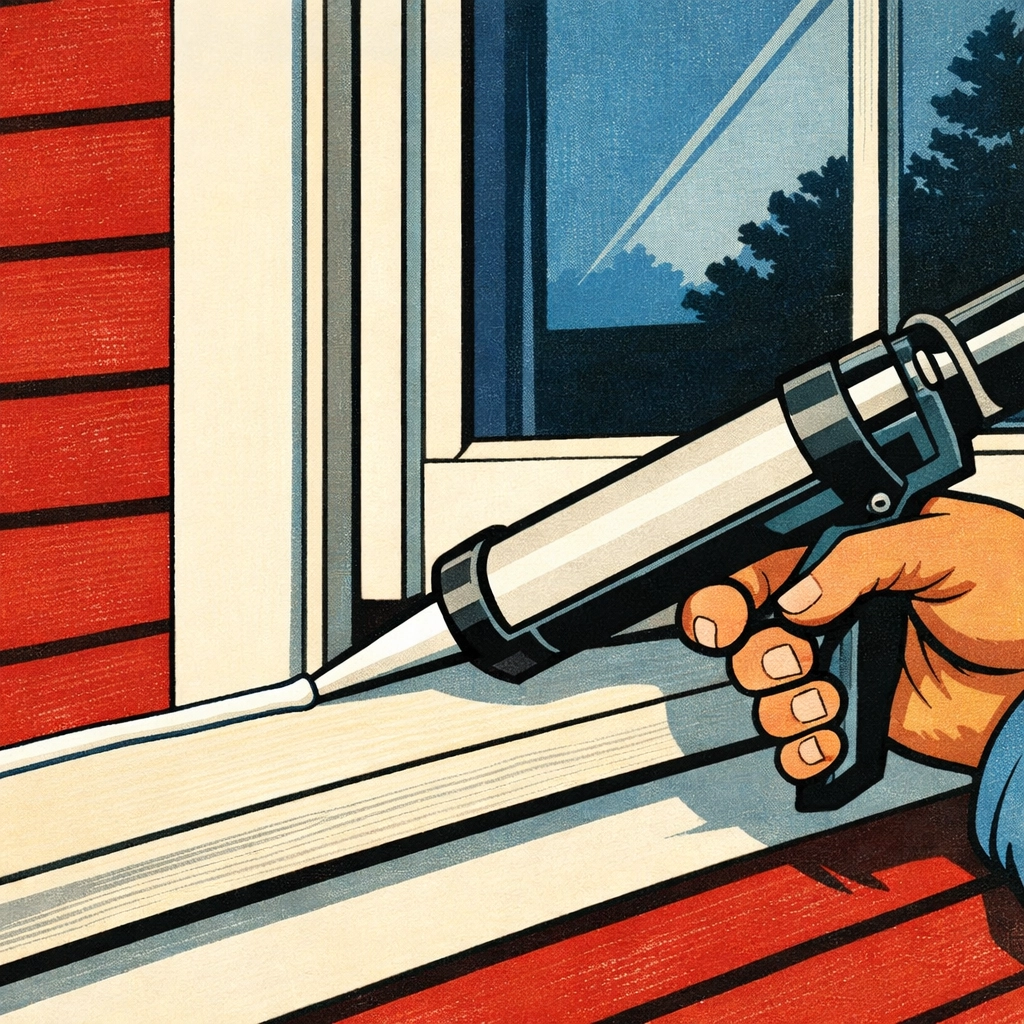
Mud season wind drives rain into every small gap in your home's exterior. Old caulking around windows and doors dries out and cracks over the winter. These cracks are invitations for rot.
Check your window sills specifically. Water often sits on the flat surface of the sill. If the paint is cracked, the wood will swell. This makes the window hard to open and eventually rots the frame.
Drafty windows are a sign that your seals are failing. If air is getting in, water is getting in too. You can review how to spot window sealing needs to catch these problems before the summer humidity hits.
Step 5: Interior Moisture Management
Rot is not just an exterior problem. During mud season, the high humidity can affect your interior as well. If you have a damp basement in Chichester or Epping, that moisture rises through the house.
Check your drywall in corners and near the floor. If you see bubbling paint or dark stains, you have a leak or a serious moisture problem. Mold grows quickly in the damp NH spring weather.
If you find damage, do not just paint over it. You must find the source of the water first. Professional drywall repair techniques ensure the patch lasts and the underlying issue is addressed.

Your Mud Season Maintenance Checklist
Clean all gutter debris.
Extend downspouts from house.
Inspect siding splash zones.
Probe deck joists for rot.
Seal window frame gaps.
Check basement for dampness.
Test sump pump operation.
Clear debris from foundation vents.
Remove wet leaf piles.
Examine roof for missing shingles.
Take Action Before the Damage Spreads
The mud will eventually dry, but the rot it causes will remain. Protecting your home in Nottingham, NH requires a proactive approach. You do not want to wait until a foot goes through a soft deck board or a window frame falls apart.
T-Build Handyman Services is a veteran-owned business. We understand the importance of a solid defense. We serve homeowners in Northwood, Barrington, Lee, Strafford, and the surrounding areas. We specialize in the carpentry and maintenance tasks that keep New Hampshire homes standing strong against the seasons.
Stop the rot before it starts. If you have noticed soft wood, peeling paint, or drainage issues, now is the time to act. Professional help ensures the job is done right the first time, saving you money on future structural repairs.
To protect your home and schedule your spring maintenance, contact T-Build Handyman Services today.
Call or text us at (603) 706-0310 or email TBuildHandyman@gmail.com to book your services.
For more information and to see our full range of services, visit our Google Business Profile: https://share.google/oHE7CUfaMkmuuSzWj
Comments