
Carpentry, Decking, Drywall, and Flooring: Home Improvement Ideas for Nottingham NH Homeowners
- TJ Talbot
- Feb 20
- 6 min read

Winter damage shows itself in late February. Your Nottingham home has weathered freeze-thaw cycles, heavy snow loads, and fluctuating temperatures for months. Now is the time to assess what needs attention before spring brings rain and humidity that makes small problems worse.
Four areas of your home take the hardest beating through New Hampshire winters: carpentry work, deck structures, drywall surfaces, and flooring. Each one tells you when it needs professional attention. You just need to know what to look for.
Carpentry Projects That Protect Your Home
Exterior trim around windows and doors cracks when ice forms in gaps. Water seeps in. Wood swells and contracts. By spring, you have rot starting in places you cannot see.
Check your window casings now. Look for paint that bubbles or peels away from the wood surface. Press firmly on corner joints where two trim pieces meet. Soft spots mean water has already penetrated. Surface paint will not fix structural damage underneath.
Door frames show similar warning signs. A door that sticks in winter but swings freely in summer indicates the frame has absorbed moisture. The wood expands. Eventually it warps beyond simple adjustment.
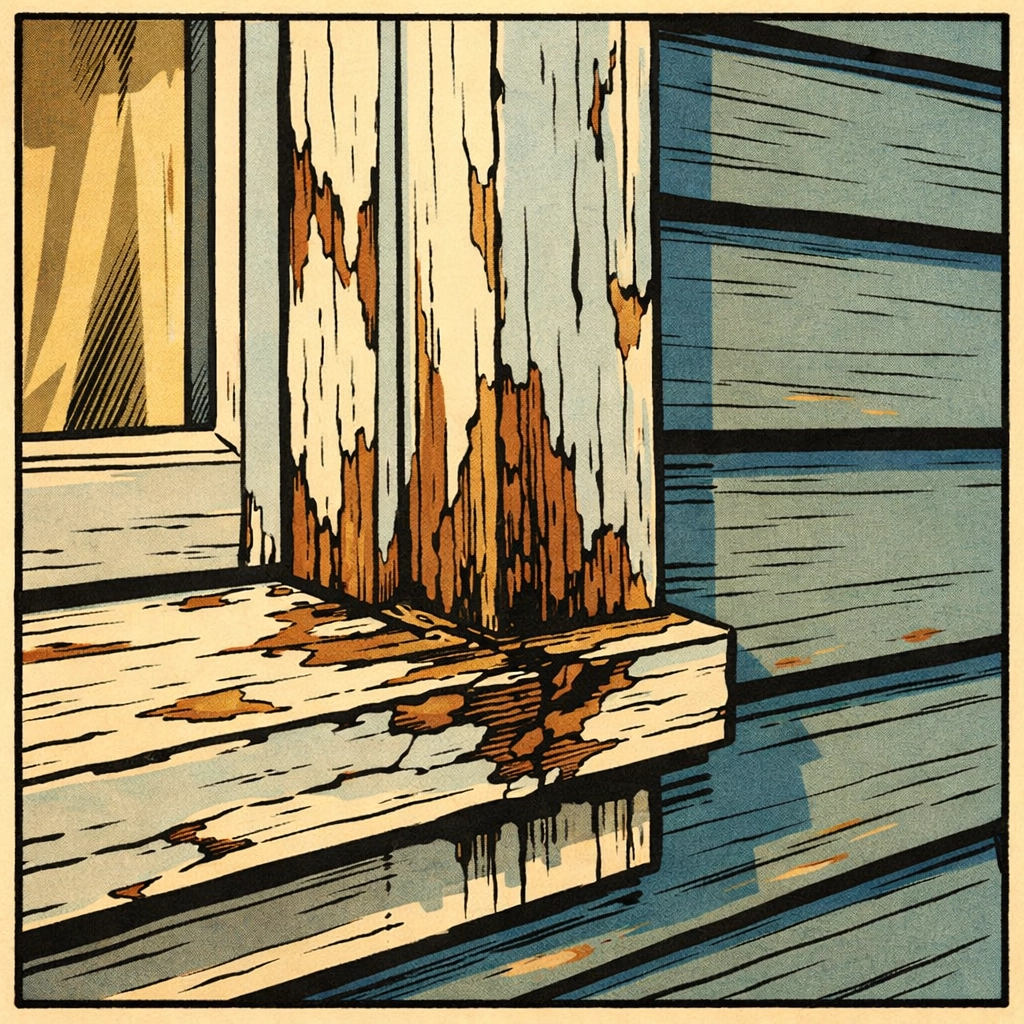
Carpentry issues that need immediate attention:
: Trim boards pulling away from siding : Gaps wider than a credit card : Wood that feels spongy when pressed : Corner joints separating : Paint failure in multiple locations : Visible wood grain raising
Crown molding inside your home cracks at seams when the house settles through winter. Small cracks become larger gaps. Nail holes appear where they were invisible before. These cosmetic issues become structural when left unaddressed: wall framing shifts, moisture enters through gaps, and repair costs multiply.
Professional carpentry work solves problems before they compound. T-Build Handyman Services handles everything from exterior trim replacement to custom interior finish work throughout Nottingham, Deerfield, and Barrington.
Deck Inspection and Repair Before Spring
Your deck survived snow load this winter. That does not mean it is safe for spring and summer use.
Walk across every board. Listen for squeaks. Feel for movement. A deck board that flexes more than a quarter inch under your weight has loosened from its joists. The nails or screws have worked free through freeze-thaw cycles.
Railings take tremendous stress when snow slides off your roof. Grab each post and push hard. Any movement at the base indicates the connection has failed. Railing failure causes serious injuries: especially on elevated decks.
Critical deck components to inspect now:
: All railing posts and connections : Deck board attachment at every joist : Stair stringers and treads : Ledger board connection to house : Post footings for heaving or settling : Fascia boards for rot or separation
The ledger board deserves special attention. This single board connects your entire deck to your house. If it fails, the whole structure collapses. Look for gaps between the ledger and your home's rim joist. Check that through-bolts remain tight. Water stains on the ledger indicate moisture problems that rot wood from the inside.
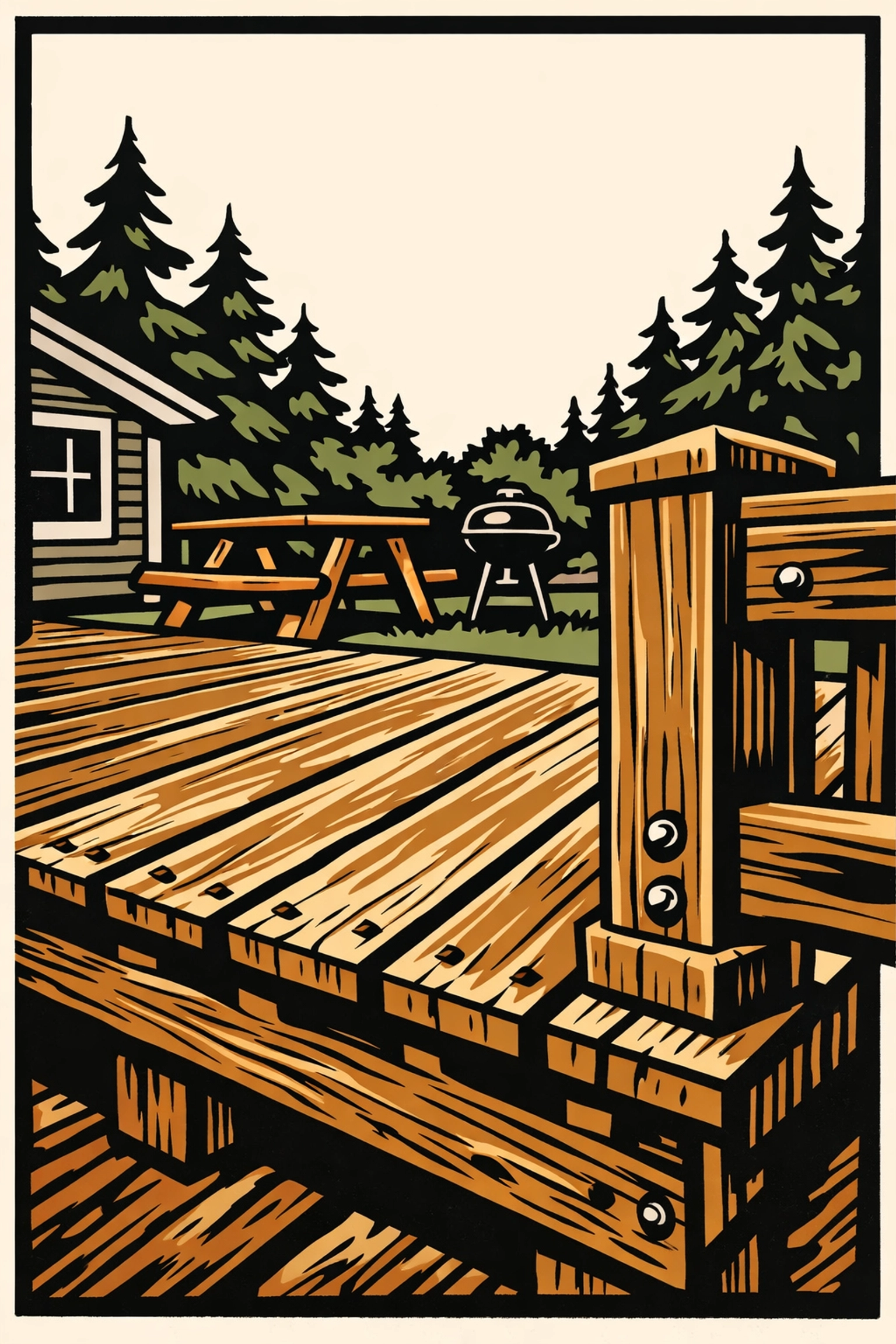
Deck repairs completed in late winter allow proper curing time for treated lumber before you use the space. Waiting until May means rushing work during the season you want to enjoy your outdoor living area.
Drywall Damage Assessment After Winter
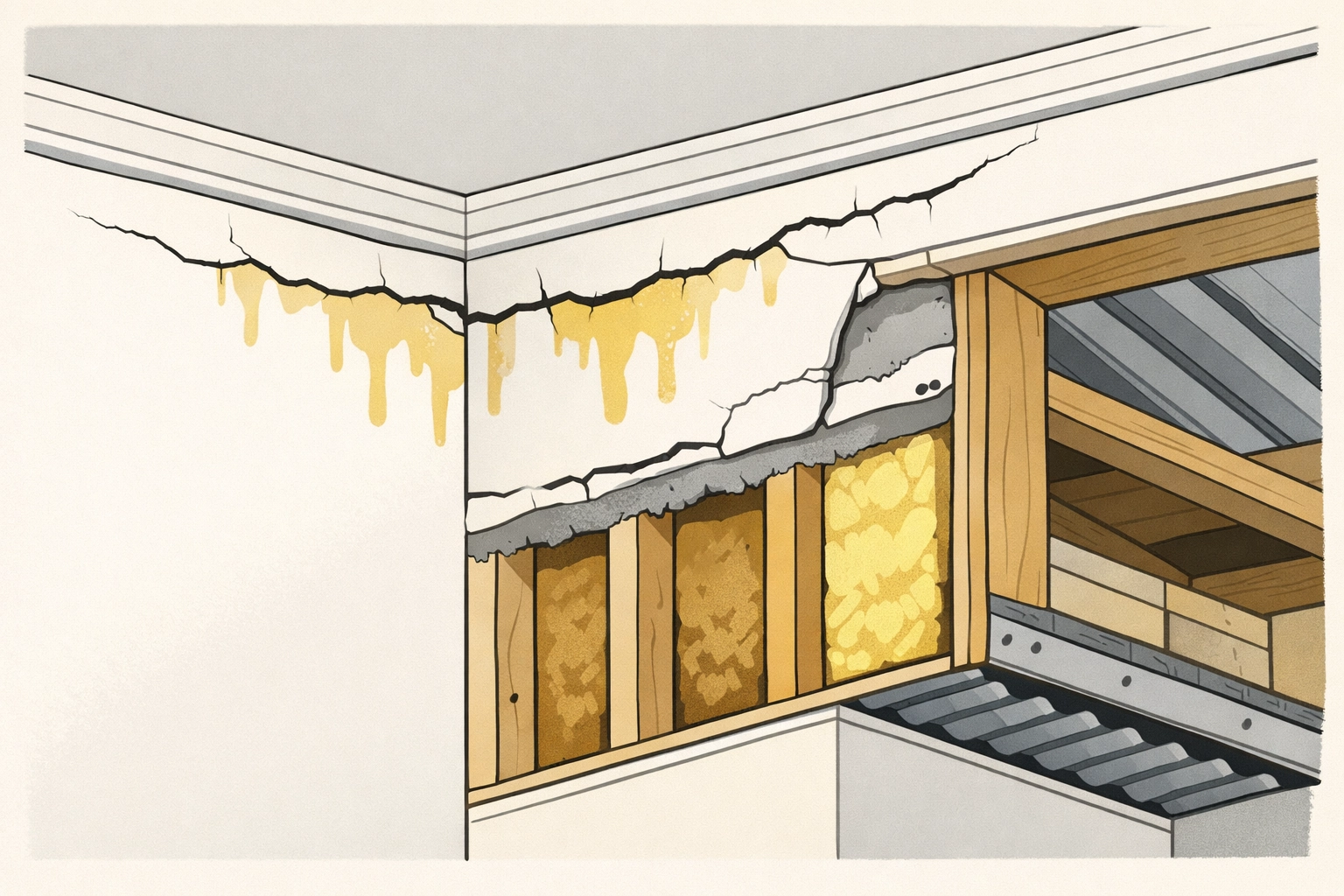
Ceiling cracks run along joist lines when attic insulation fails to prevent ice dams. Water backs up under shingles. It drips onto drywall. The damage shows up weeks after the snow melts.
Not every ceiling crack signals disaster. Hairline cracks at corners where walls meet ceilings typically indicate normal settling. Cracks wider than a dime that run across ceiling joists mean structural movement or water damage. These require professional assessment.
Wall cracks near windows and doors often trace back to improper flashing installation. The gap lets wind-driven rain penetrate behind siding. Drywall absorbs moisture. It softens, cracks, and eventually crumbles.
Drywall problems that demand professional repair:
: Cracks that widen over time : Bubbling or peeling paint surfaces : Brown water stains anywhere : Sagging ceiling sections : Soft spots when pressed : Visible mold or mildew growth
Homeowners in Nottingham and Northwood face unique challenges with drywall because temperature swings between day and night stress the material. A room that hits 70 degrees during the day drops to 40 degrees overnight when the heat runs less. Drywall expands and contracts. Seams separate. Fasteners pop through the surface.
Simple patching fixes cosmetic damage. Structural repairs require experience with proper techniques: backing boards, mesh tape application, multiple mud coats, and blending repairs into existing texture. Poor drywall repair shows through every paint color.
Flooring Options and Repairs for Spring
Hardwood floors gap between boards after months of dry indoor heat. Gaps that measure more than the thickness of a credit card will not close when humidity returns. The wood has shrunk permanently from moisture cycling year after year.
Laminate flooring shows damage at seams. Look for edges that have lifted or corners that chip away. Once moisture penetrates laminate, the entire plank must be replaced: the material cannot be sanded and refinished like solid wood.
Tile floors develop hollow sounds when the mortar bed underneath fails. Tap each tile with your knuckle. A solid tile produces a dull thud. A hollow tile rings with a higher pitch. The tile will crack under normal traffic once the bond fails.
Flooring inspection points before spring cleaning:
: Gaps between hardwood planks : Loose or hollow-sounding tiles : Laminate edges lifting or peeling : Squeaks in specific floor locations : Vinyl planks separating at seams : Transition strips pulling away from subfloor
Subfloor damage causes most serious flooring problems. Water from ice dams, plumbing leaks, or foundation moisture rots the plywood or OSB underneath your finished floor. The surface material performs fine until suddenly it does not: boards crack, tiles break, and entire sections fail.
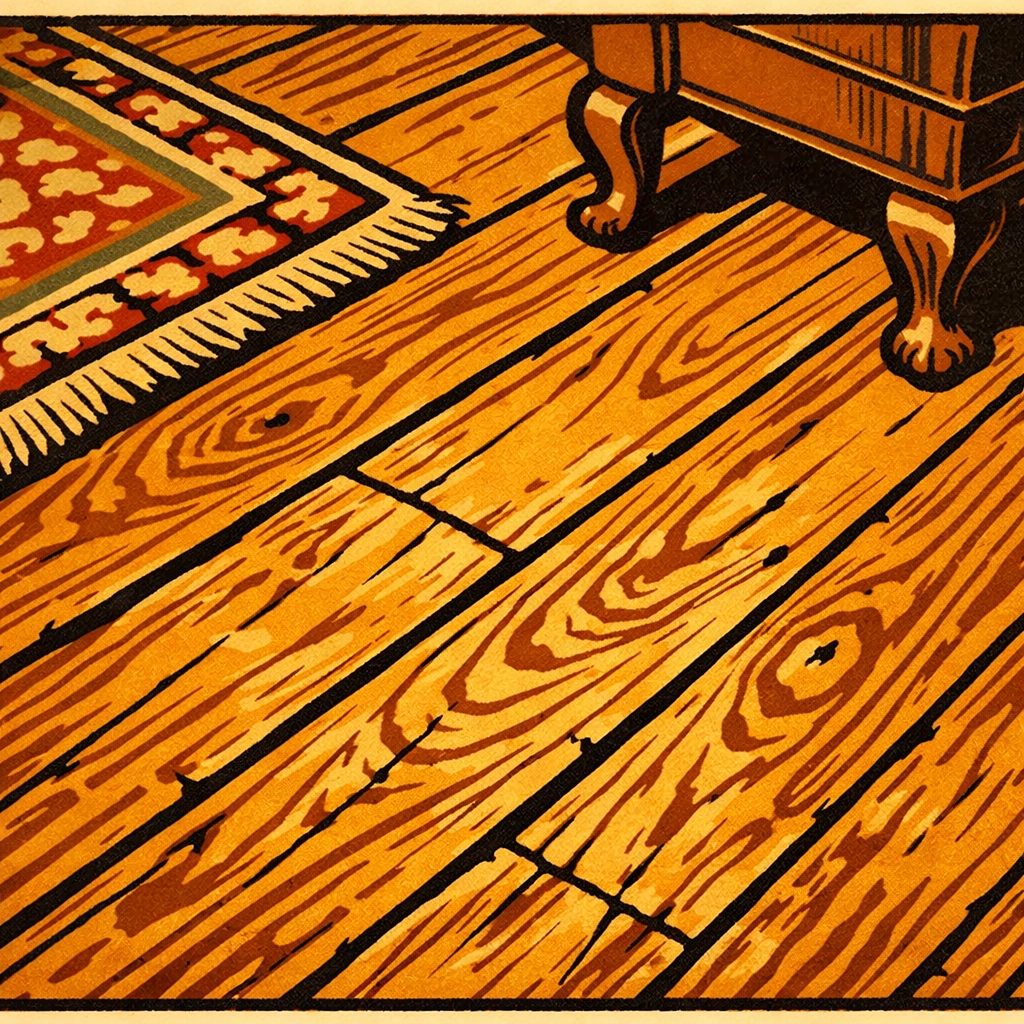
Professional flooring assessment identifies subfloor problems before you invest in new surface materials. Installing beautiful hardwood over rotted plywood wastes money and time. The proper sequence matters: fix the structure, then install the finish.
Combining Projects for Efficiency
Many Nottingham homeowners discover that carpentry, drywall, and flooring problems stem from the same water intrusion point. A leaking window damages the trim, the wall surface, and the floor below. Fixing each problem separately costs more than addressing the root cause.
Professional contractors trace damage back to its source. That leaking window needs proper flashing installed. The rotted trim requires replacement. Drywall must be removed, dried, and replaced with mold-resistant material. Floor sections need subfloor repair before new flooring installs.
Scheduling multiple trades means coordinating carpenter schedules with drywall finishers and flooring installers. Each trade waits for the previous work to cure or dry. A project that should take one week stretches into three.
Working with a full-service handyman company streamlines the entire process. One contractor handles carpentry, drywall, and flooring coordination. Materials arrive when needed. Work proceeds in logical sequence. You deal with one point of contact instead of managing multiple subcontractors.
Why Experience Matters for Home Improvement Projects
YouTube tutorials make drywall repair look simple. They skip the parts where inexperienced workers create bigger problems: over-sanding that creates divots, mud applied too thick that cracks, texture that does not match existing surfaces.
Carpentry demands precision measuring, proper joint techniques, and understanding of wood movement through seasonal changes. New Hampshire humidity varies from 30% in winter to 70% in summer. Wood expands nearly a quarter inch across a 12-inch board. Cabinets, trim, and built-ins must accommodate this movement or they split and gap.
Deck construction follows specific building codes. Joist spacing, beam sizing, footing depth, and railing height are not suggestions: they are legal requirements that ensure safety. A deck that collapses causes injuries and lawsuits.
Flooring installation requires understanding of substrate preparation, moisture barriers, expansion gaps, and transition details. Skipping any step compromises the entire installation. Hardwood installed without acclimation cups and warps within months.
Working with Veteran-Owned T-Build Handyman Services
T-Build Handyman Services brings military precision to home improvement work throughout Nottingham, Pittsfield, Deerfield, and Barrington. Projects start on schedule. Work proceeds efficiently. Results meet or exceed expectations.
Veteran-owned businesses understand accountability. When we commit to a timeline, we honor it. When we quote a price, that price holds. When we identify a problem, we explain it clearly and offer practical solutions.
Our carpentry work ranges from simple trim repair to custom built-ins. Deck projects include everything from board replacement to complete structural rebuilds. Drywall services handle patches, texture matching, and full room finishing. Flooring expertise covers hardwood repair, laminate installation, and tile work.
Late winter provides the ideal window for interior projects. Temperature and humidity remain stable. Spring schedules fill quickly as homeowners rush to complete outdoor work before summer. Booking now means your work finishes before you need those spaces for spring entertaining and summer relaxation.
Contact T-Build Handyman Services for a thorough home assessment. We identify problems, explain solutions, and provide clear estimates for quality work. Your Nottingham home deserves professional attention from contractors who take pride in every project.
Comments